From our other sites
The story
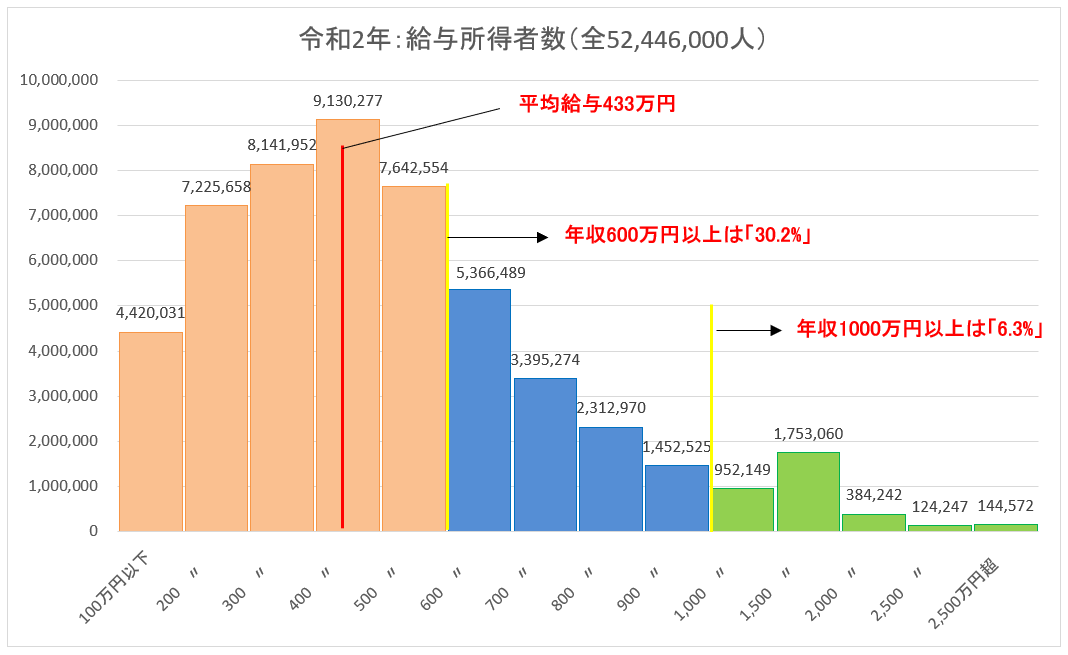
A survey of new NISA users’ annual income found the most common bracket was “under ¥3 million” at 39.3%, with an average income of ¥4.677 million — and those earning under ¥5 million make up 65.8% of all users. The article, picked up on 5channel’s News Express+ board, drew plenty of reactions. Some posters were surprised, asking “so higher earners invest less?”, while others pointed out the gap between percentages and raw numbers, noting “there are just fewer high earners to begin with.” Opinions split over how to read the statistics. The thread also debated whether it’s wise to dip into emergency savings to fund investments, alongside advice for beginners sitting on unrealized losses.
(snip)
What’s the income of new NISA users? The most common bracket is “under ¥3 million”
Plenty of people cite their income level as the reason they haven’t started investing. So what income brackets are actually using the new NISA?
Source: news.yahoo.co.jp / Original article here
What people said
Breaking it down by category, personal consumption — over half of GDP — fell 0.02% quarter-on-quarter, the first decline in 8 quarters, small as it was.
https://www.yomiuri.co.jp/economy/20260817-GYT1T00074/
At this rate Japan's economy is just going to keep quietly shrinking.
It's not like it amounts to real wealth anyway — might as well spend it and have fun lol
What matters is how much you personally need for retirement
I don't even need ¥20 million
Today's ¥20 million is like the old ¥10 million
Doesn't seem right to me
They need to normalize the sample sizes first.
The underlying income distribution isn't even adjusted for.
Over the long run, something like Orukan (eMAXIS Slim All Country, a popular index fund) just keeps climbing
For young people, steadily contributing over a long stretch beats just saving cash
That's the theory, anyway — but with the government pushing this hard, I can't shake the feeling there's a reversal waiting for the "NISA-poor" generation once they hit retirement
If we head into a world war before then, it's game over anyway
Grandpas and grandmas aside
People with some money tend to have big expenses from getting married, buying a house or car, and raising kids — so they probably can't afford to do NISA
Something about a guy who cashed out because even a shoeshine boy was giving him stock tips (a nod to the famous Joseph Kennedy anecdote from before the 1929 crash)
Feels exactly like that here
Pouring your living expenses into investing when you don't even have spare cash to invest with — isn't that exactly this?
While you're still filling up your NISA allowance, it's fine if the market crashes
Actually better if it drops
You get to buy more that way
But the most-bought funds in NISA are diversified ones like Orukan and the S&P 500, so that doesn't really apply
Now, when people start saying "I sold my NISA fund to buy Kioxia stock!" — that's genuinely been a sign a crash was coming
Is there any guarantee it goes back up and turns a profit after that?
It'll keep growing unless the global economy actually collapses — I mean, even after WW2 killed huge numbers of people, both technology and population kept climbing 🥴
It just feels like there's no more money left to squeeze from the wealthy, so now they're leaning on ordinary people to scrape funds together instead
And "the global economy" isn't exactly steady all the time either
Once global population actually starts shrinking, there could be real relative decline. More like contraction than decline, really.
The numbers might keep climbing while the substance behind them gets thinner

How's my NISA looking?
It's… incredibly… huge… (the gains, that is) (riffing on a well-known meme line usually said about something else entirely)
Contributing to NISA regularly?
Isn't that exactly what NISA's for?

Haven't locked in the gains yet 😭
But even so, that's 10 years' worth of small monthly contributions right there
Once you're earning a decent amount, then start NISA
It's not really an era where investing in yourself guarantees a bigger paycheck anymore
Especially not for young people who are all about cost-performance these days
What self-investment actually needs is time
Money is better put into stocks
Calling spending money "self-investment" is really just blowing it
Of course you're not going to profit right away if you just started
You should've bought in back when it was ¥30,000 — why'd you expect gains after buying once it already hit ¥60,000?
You shouldn't be judging profit and loss on a month-to-month basis like that
Being stuck with only time deposits or government bonds as options is what's bugging me
Not at all
You'll get to enjoy it once you're about 100
It's not too late, but if you've already got your life plan set, there's no need to take on unfamiliar risk just for the sake of it
Asking other people about something as personal as your own life — where there's no single right answer — that attitude is the real problem here
Background and key points of this discussion
The article is based on a survey of new NISA users broken down by income bracket, which found “under ¥3 million” was the most common at 39.3%, average income was ¥4.677 million, and those earning under ¥5 million made up 65.8% of the total. The new NISA is a 2024 program that made the tax-free holding period permanent and expanded the annual investment limit; from the start, opinion has been split between seeing it as “a system for people with spare cash” and “a system anyone can use.” The thread divided over how to interpret these numbers — whether to read them as “low earners cutting into living expenses to invest,” or as “there are simply fewer high earners to begin with.” Several replies flagged the risk of confusing percentages with raw numbers. It’s also worth noting that the original article doesn’t specify the survey’s sample population or methodology, so that caveat is worth keeping in mind.
*This article is excerpted and summarized from the 5channel (News Express+) thread “[New NISA] The most common income bracket among users is “under ¥3 million” at 39.3%. Average income is ¥4.677 million, with those under ¥5 million making up 65.8% of the total.”
Leave a Reply